If your property isn’t ready for what comes next, whether that’s a new structure, improved access, or just a lot that’s safe and manageable, professional land clearing services can change that quickly. The right crew, the right equipment, and a clear scope of work are often all it takes to turn an overgrown parcel into something you can actually build on and use.
In this article, you’ll learn:
- When land clearing becomes necessary for residential and commercial properties
- How construction site preparation fits into larger development goals
- What to look for when choosing a land clearing contractor in Massachusetts
- What to expect in terms of land clearing cost and project timeline
When your land is getting in the way
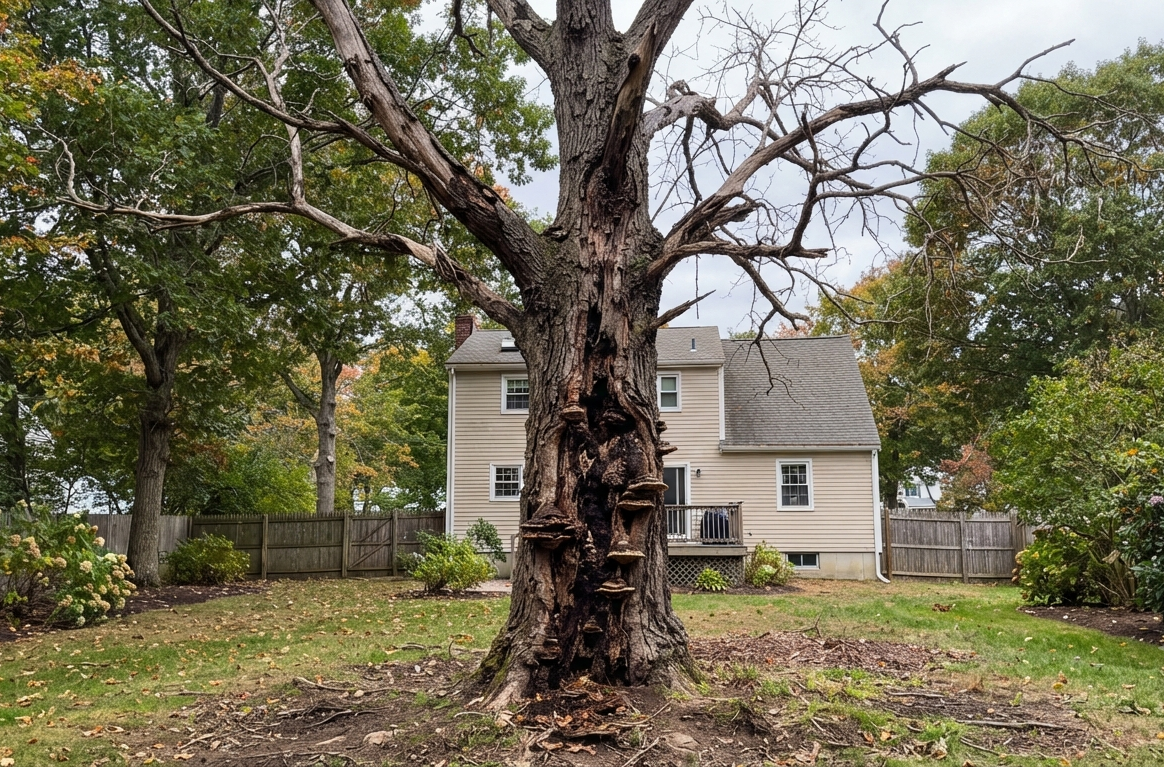
Most property owners start looking into land clearing when they realize the land itself has become the obstacle. Some lots haven’t been touched in years. Others gradually became harder to navigate as brush, unwanted trees, stumps, roots, and dense vegetation took over.
In Massachusetts, that process happens faster than many people expect. Rocky New England terrain, heavy clay soils, and aggressive growth from some species can overtake a parcel within a few seasons of neglect. What started as a manageable lot can become a tangle of overgrowth that blocks access, limits visibility, and makes any kind of work on the property far more complicated.
For residential properties, land clearing is often the first step before a garage, addition, driveway, or outdoor project gets underway. For commercial sites, it may support larger development plans, lot subdivision, or simply bringing a neglected parcel back into productive use.
Why site preparation comes before everything else
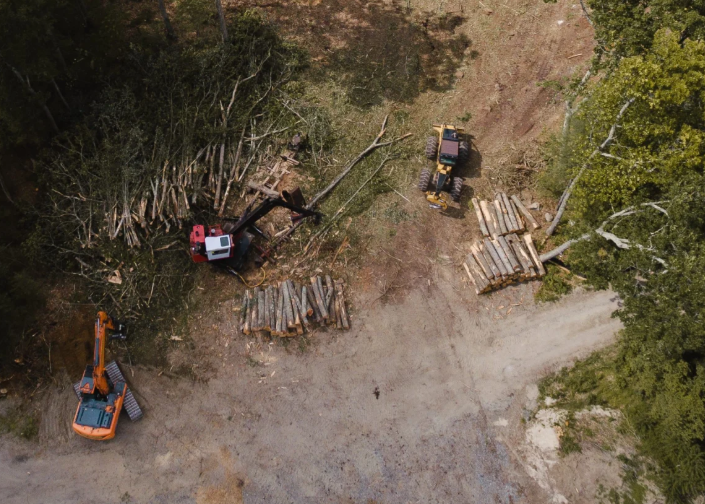
Proper site preparation begins well before the first heavy machinery arrives on your property. If the land still has dense brush, buried root systems, stumps, or inadequate access, construction becomes harder to plan, harder to schedule, and harder to execute without running into costly delays.
Construction site preparation addresses these issues at the source. Clearing the land early creates a solid foundation for everything that follows like grading, utility installation, foundation work, and beyond.
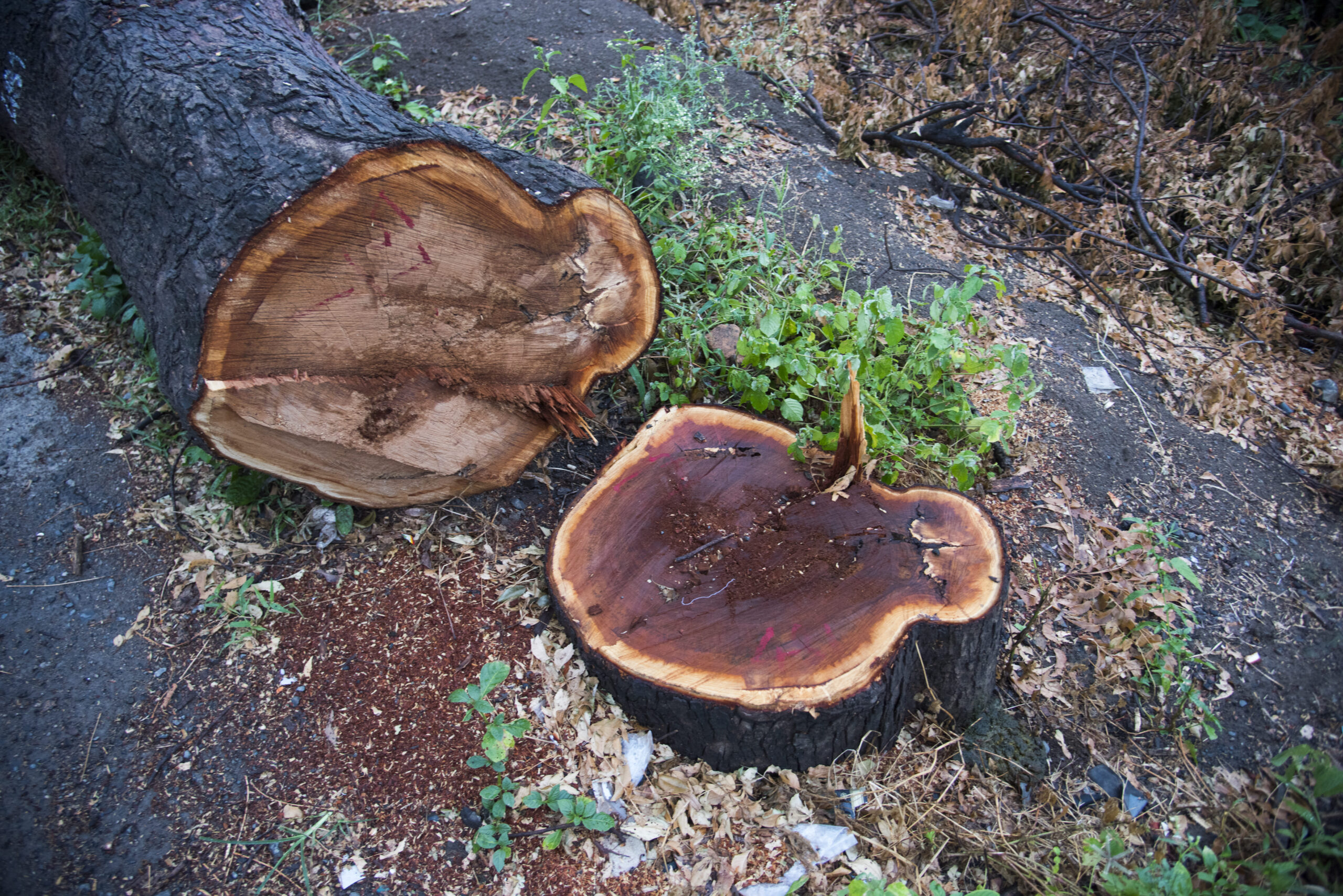
This is also where stumping and grubbing play a critical role. Removing stumps, roots, and buried vegetation creates a cleaner, more stable surface and eliminates hidden obstacles that could interfere with grading or future construction activity. Skipping this step often means paying for it later — in equipment damage, rework, or project delays.
Safety, access, and everyday usability
Land clearing does more than make a property look better from the road. It also makes the land safer, easier to access, and more practical for ongoing use or future development.
Dense vegetation blocks visibility, traps moisture, hides hazards, and limits movement across a site. Services like brush mowing and road clearing address those problems directly, opening up the property and making access predictable and manageable year-round.
This is especially valuable when a parcel has been neglected for an extended period. An overgrown lot can feel completely unusable, but the right clearing work can turn that same space into something open and ready to build on.
Field clearing follows the same principle for larger open acreage, removing invasive species, overgrown grass, and unwanted brush to restore functionality to land that’s grown out of control.
Why you should hire a qualified land clearing contractor
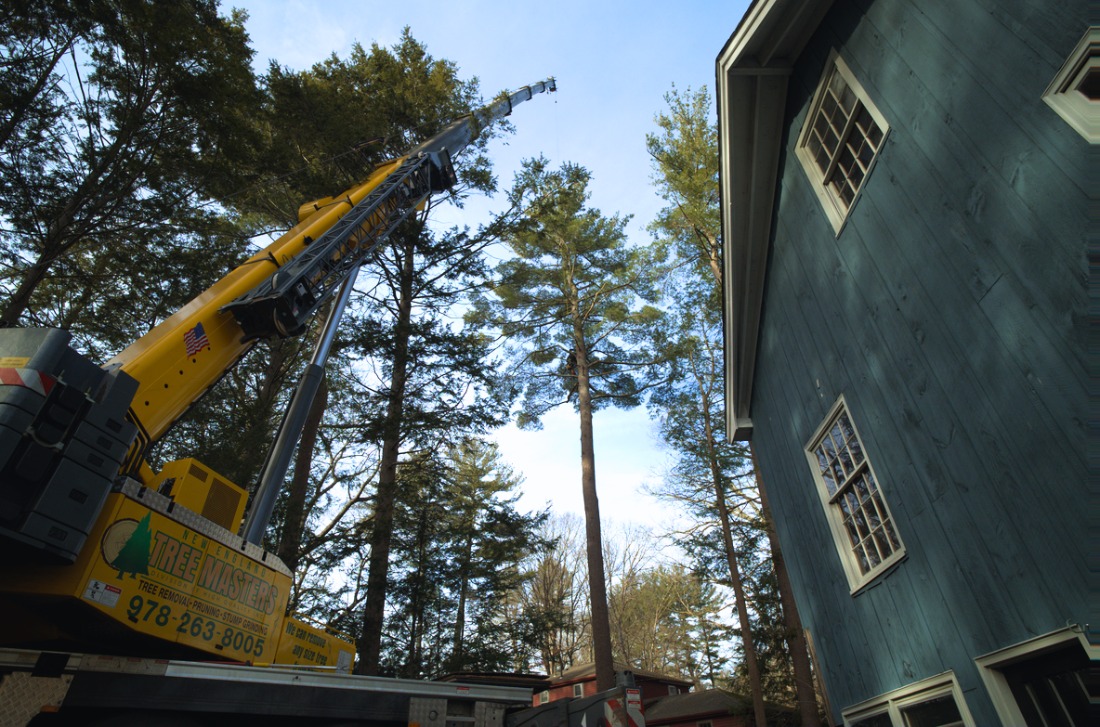
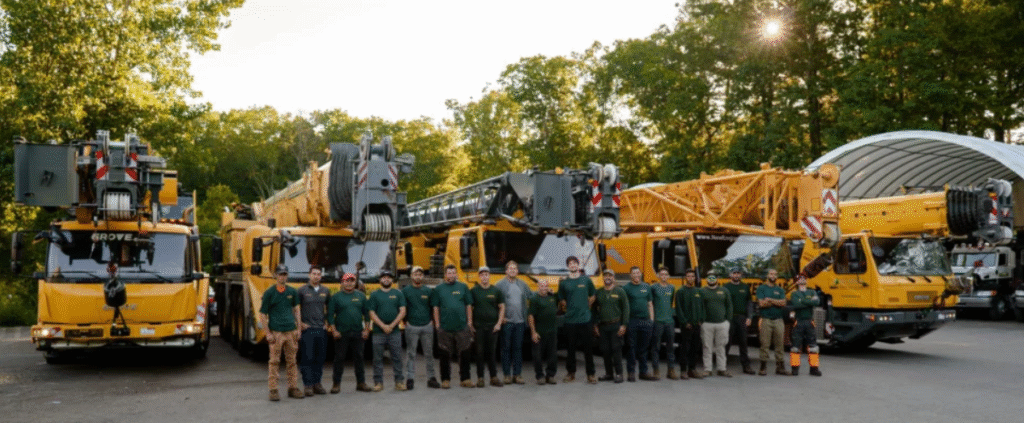
Not all land clearing services are handled with the same level of care, experience, or equipment. Hiring a qualified land clearing contractor matters because the job requires proper machinery, safe operating procedures, and real hands-on experience with varying site conditions.
A skilled contractor knows how to assess your property, recommend the right scope of work, and get it done efficiently without creating new problems. That means knowing when brush mowing is sufficient, when field clearing is the right approach, and when more extensive construction site preparation is required.
For commercial land clearing projects, that expertise becomes even more important. Commercial sites often involve larger acreage, tighter timelines, phased development plans, and coordination with other contractors — all of which demand a crew with the right equipment and project management experience.
When vetting contractors in Massachusetts, look for three things: a valid contractor’s license and general liability insurance for work in the state, clear experience with both residential and commercial scope, and confirmation that they handle permitting requirements and debris removal as part of the job. Contractors who leave disposal to you — or who aren’t familiar with local MassDEP wetland buffer regulations — are a red flag.
Understanding land clearing cost
Land clearing cost varies depending on the size of the parcel, the density of the vegetation, the type of clearing required, and how the debris will be handled. A small residential lot with light brush will be priced very differently than a multi-acre commercial site requiring full stumping and grubbing.
The best way to get an accurate number is a free on-site estimate. A qualified land clearing contractor will walk the property, assess what the work actually involves, and give you a detailed quote.
Get started with a free estimate
If your property is hard to access, difficult to manage, or not ready for the work ahead, now is the time to act. From road clearing and field clearing to full construction site preparation and lot subdivision support, our Massachusetts crew handles projects of all sizes — safely, efficiently, and with the right equipment from day one.
Contact us today to schedule a free on-site estimate and find out exactly what your property needs.