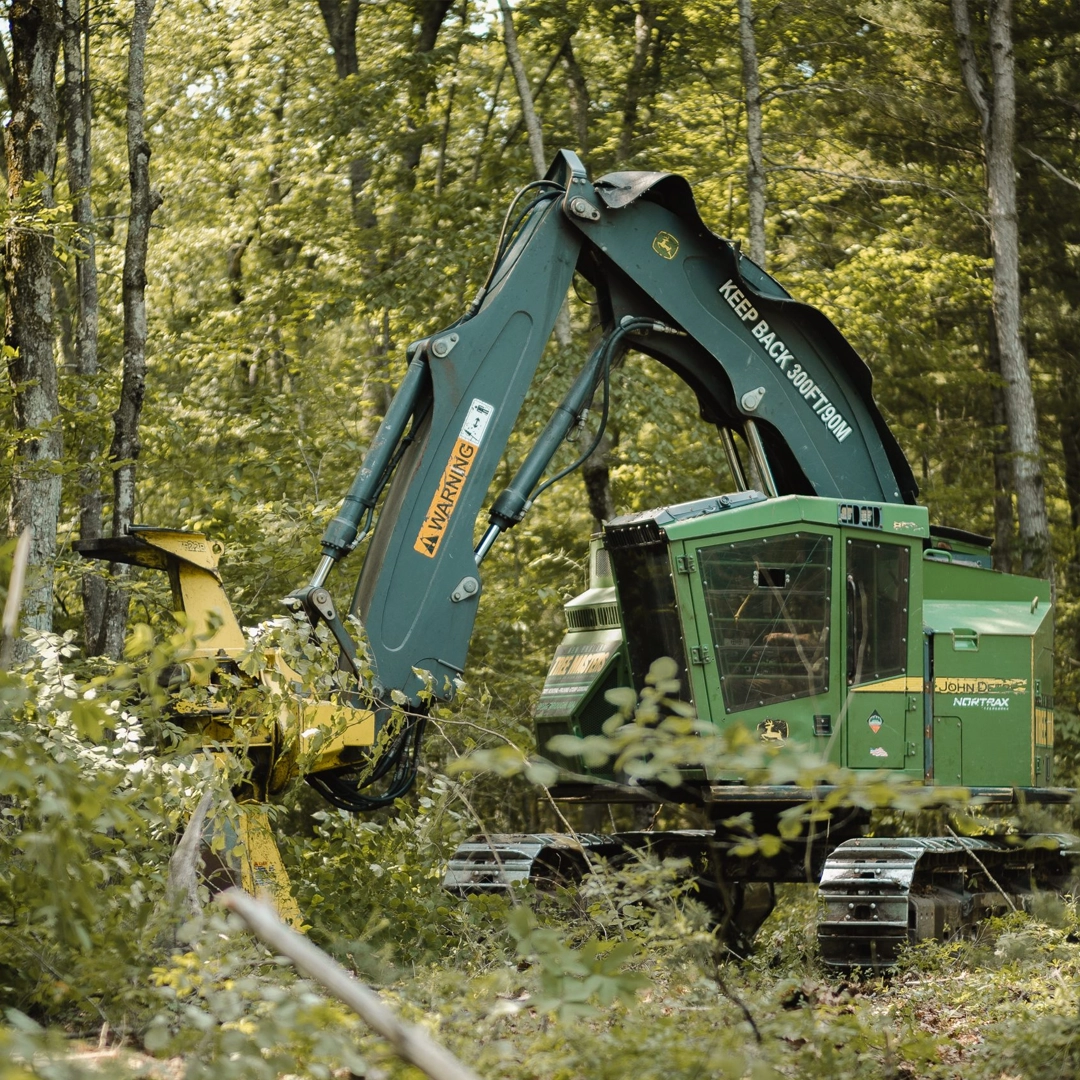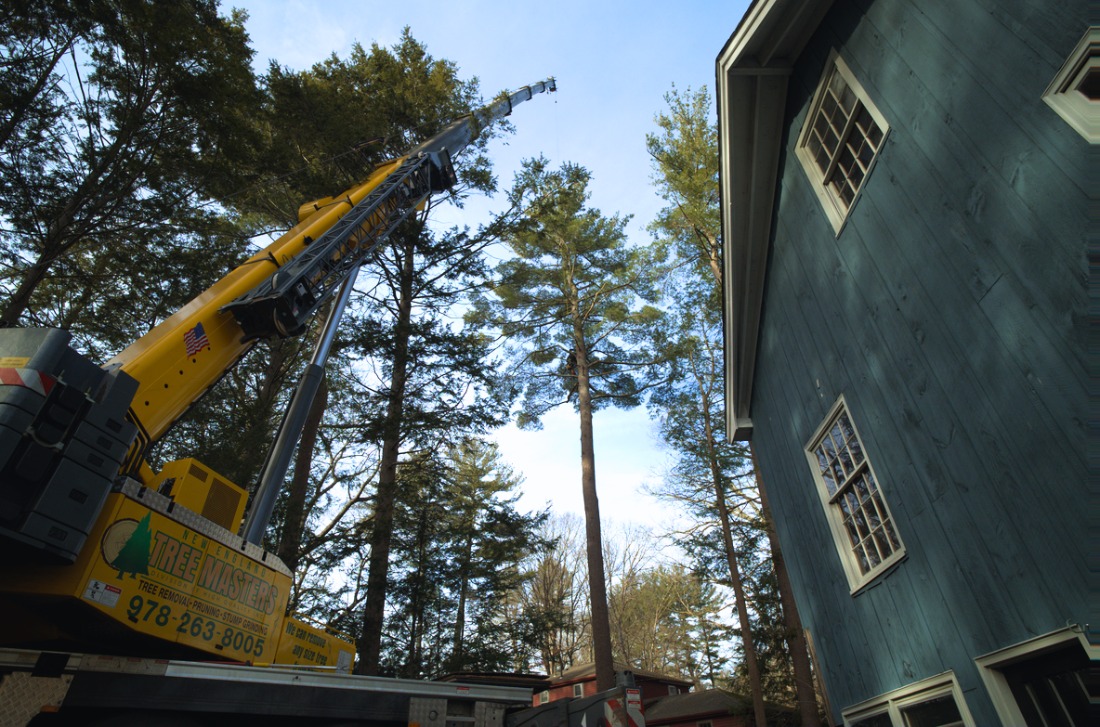
Tree removal is consistently ranked among the most hazardous residential tasks a property owner can undertake. Despite that, many homeowners still attempt it without formal training, specialized equipment, or a clear understanding of the risks involved. The hazards are rarely obvious at the outset — and by the time they become apparent, the consequences can be severe, costly, and permanent.
This article outlines seven real dangers associated with DIY tree removal, with particular attention to the conditions and legal context that apply to property owners in Massachusetts.
1. Chainsaw kickback is faster than your reflexes
The Consumer Product Safety Commission estimates that chainsaws send approximately 36,000 people to emergency rooms every year across the United States. A significant share of those incidents involve homeowners doing exactly what you might be considering.
Kickback — when the upper tip of the bar contacts wood unexpectedly and the saw violently lurches back toward the operator — is the leading cause of serious chainsaw injuries. It happens in a fraction of a second. Professional arborists train specifically to anticipate and prevent it. Without that training, the operator is left to react — which is rarely fast enough.
Beyond kickback, fatigue plays a major role. Tree removal is physically demanding, and most injuries happen when people are tired. A professional tree removal crew rotates tasks and watches each other. A homeowner working alone doesn’t have that.
2. Knowing how to fell a tree isn’t as simple as it looks
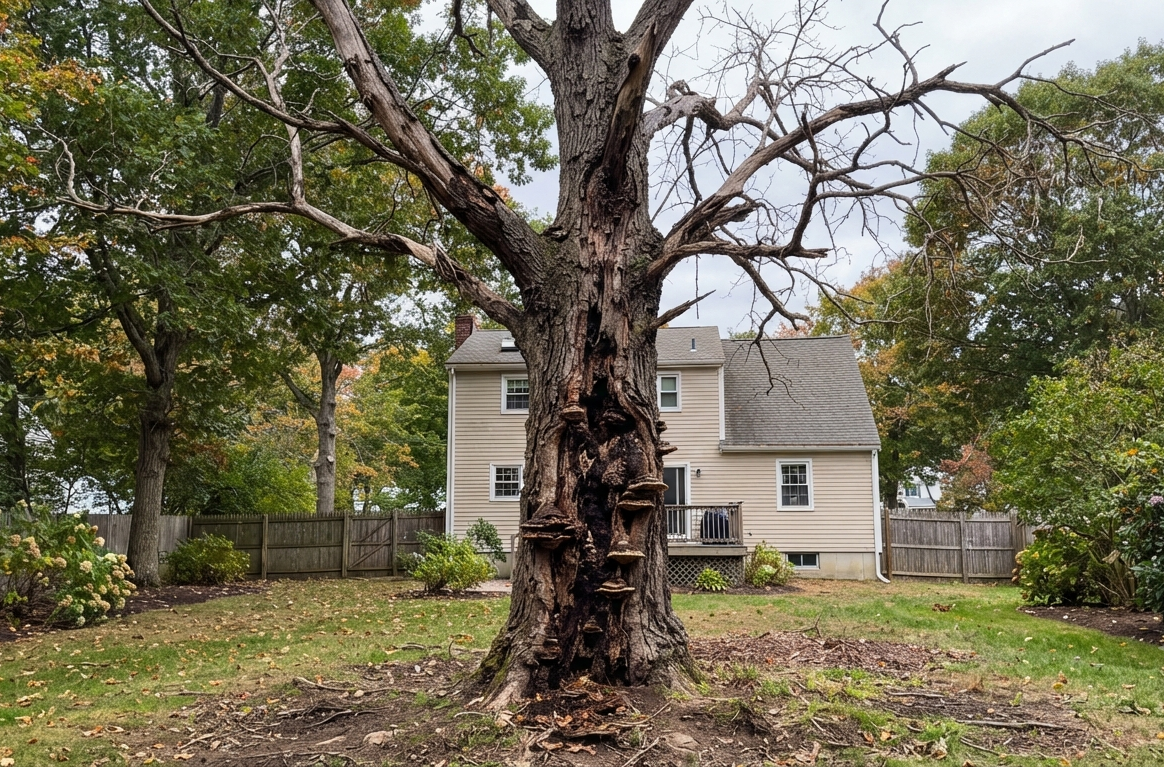
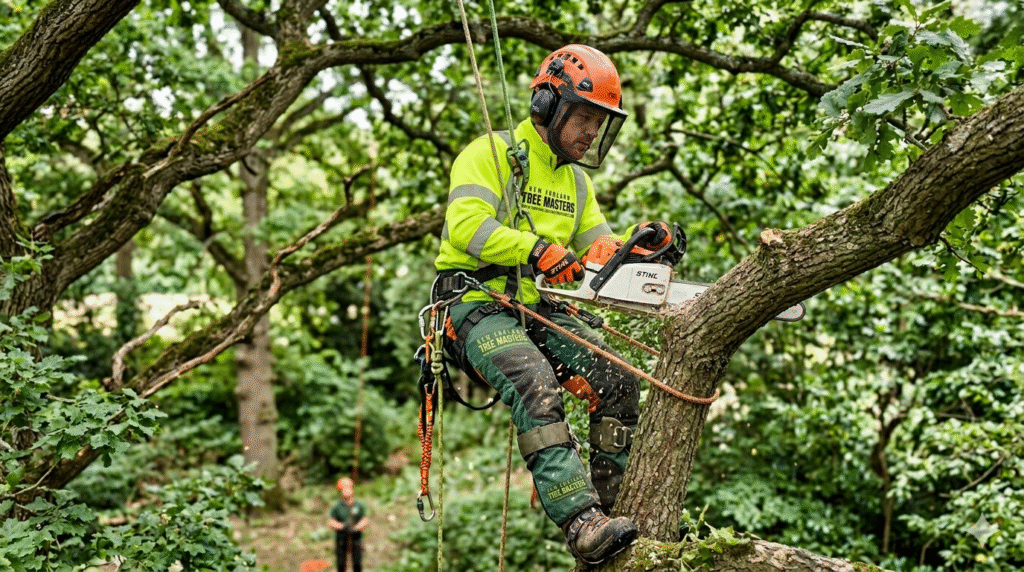
Knowing how to fell a tree safely requires a thorough evaluation of the tree before any cut is made. Professionals assess the lean, the weight distribution in the canopy, root stability, internal decay, wind direction, and ground conditions — then calculate notch cuts, back cuts, and hinge width accordingly.
An error in that assessment does not simply result in a tree landing at a slightly different angle. It can mean the tree falls onto a structure, a vehicle, a neighboring property, or the person performing the work.
One of the most hazardous felling failures is called a “barber chair” — when a tree splits vertically during cutting and the trunk kicks back violently toward the operator. It happens without warning and is nearly impossible to react to in time. Even experienced loggers treat it with deep respect, and they’ve spent years learning how to fell a tree in controlled conditions.
3. Power lines turn a difficult job into a lethal one
Utility lines run through residential neighborhoods all over Massachusetts, and many trees have grown into or near them over the years. If a limb — or the tree itself — contacts an energized power line during removal, the risk of electrocution is immediate.
Electricity can arc through wet wood and travel through the chainsaw directly to the person holding it. Even lines that appear lower-voltage can carry enough current to be fatal under the right conditions.
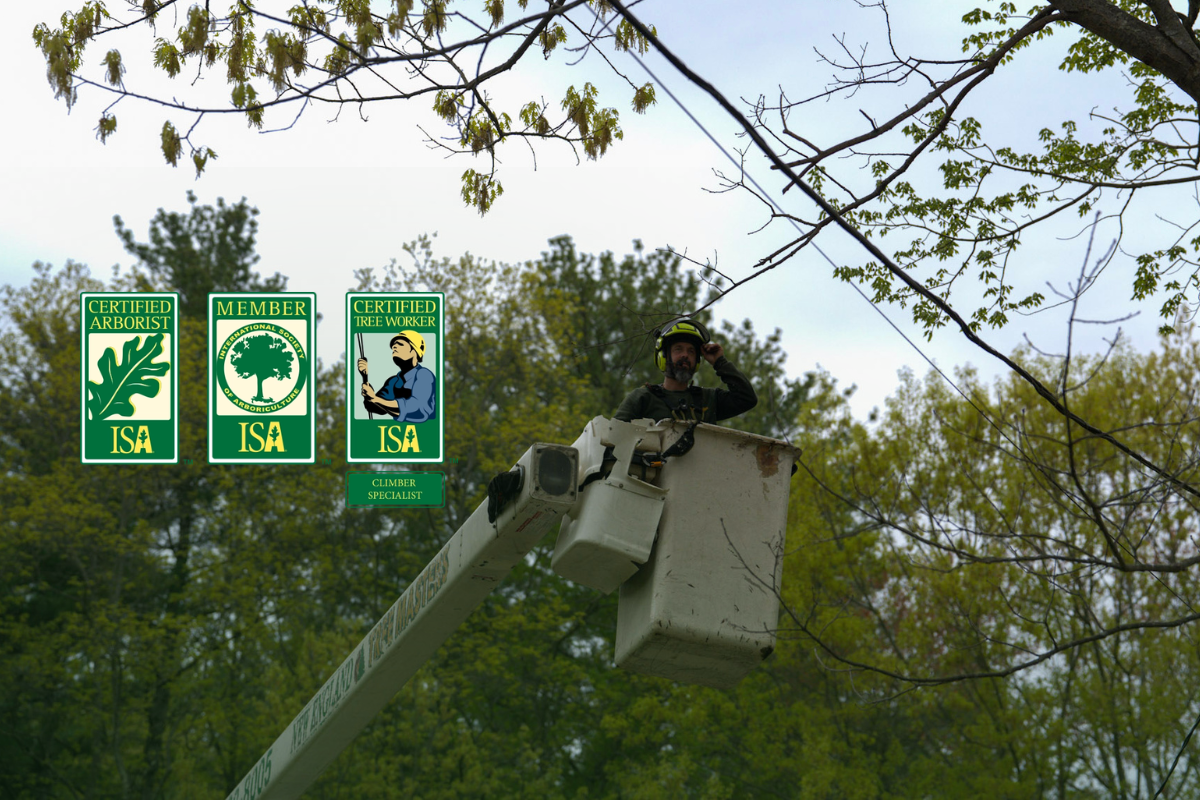
Licensed arborists follow specific safety protocols around electrical infrastructure. In many cases, the utility company needs to be contacted before any work near power lines can begin — something most DIY guides never mention.
4. Massachusetts liability falls on the property owner
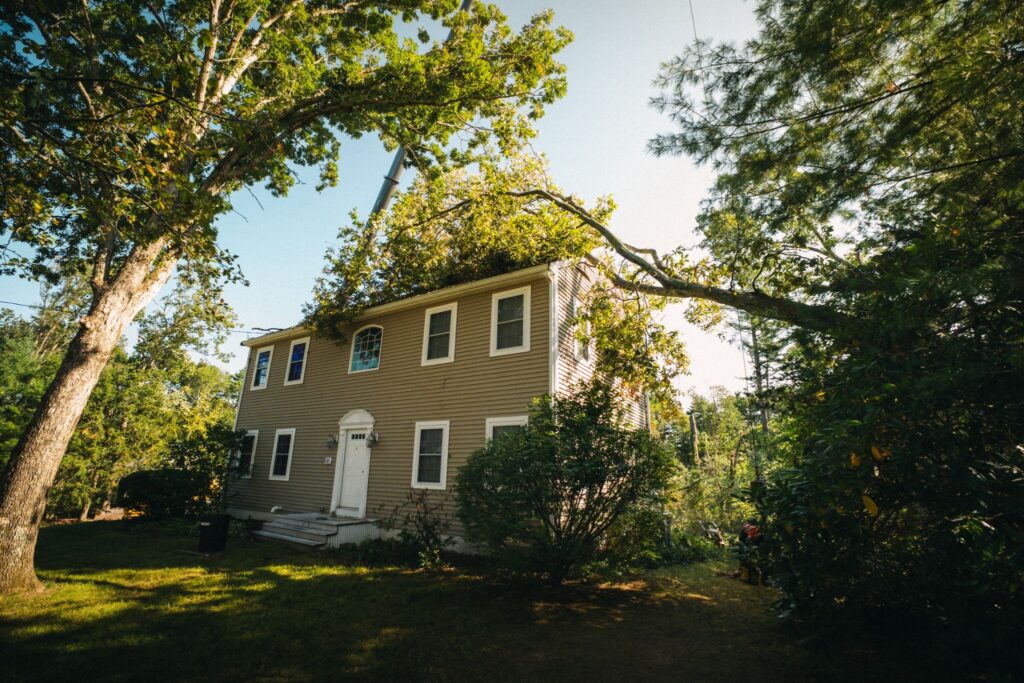
In Massachusetts, property owners can be held legally responsible for tree damage caused by trees they knew — or reasonably should have known — were hazardous. If an unsecured branch damages a neighboring structure, or a bystander is struck by falling debris during an amateur removal attempt, that liability rests with the owner of the property where the work was performed.
When you hire a professional tree removal service, their liability insurance covers incidents that occur on your property during the job. When you do it yourself, that coverage doesn’t exist. The financial exposure falls entirely on you.
Homeowner’s insurance adds another layer of risk. Some policies reduce or deny coverage when a homeowner attempted the work without professional credentials. The exact terms vary by policy, but it’s worth reviewing yours before you start.
5. Ignoring permits has consequences
Several municipalities across Massachusetts require permits before a tree can be removed, particularly in protected areas or when a tree exceeds a certain trunk diameter. Cutting without the proper authorization can result in fines and, in some cases, a requirement to replant at your expense.
A licensed tree removal service will know which permits apply in the relevant municipality and will handle the required documentation as part of the project scope. Property owners who proceed without that guidance assume full responsibility for compliance — and for any penalties that follow.
6. Falling branches are the biggest hidden hazard
Most people focus on where the trunk will land. What they consistently underestimate is the volume and speed of material that falls before the tree reaches the ground.
Large branches snap off unexpectedly during cutting, change direction when they contact other limbs, and can strike individuals standing at what appears to be a safe distance. Professional crews establish defined drop zones, maintain constant communication, and use rigging systems to lower heavy sections in a controlled manner. Those safeguards are absent when the work is performed without proper training or additional personnel.
7. Emergency tree removal after an incident costs far more
Many homeowners consider self-removal primarily as a cost-saving measure. On the surface, avoiding a professional fee may appear straightforward. In practice, the financial exposure from a failed or poorly executed removal can far exceed what a professional service would have cost.
Emergency tree removal after an accident is significantly more expensive than a planned, professional job. Fallen tree damage to a residential structure can run into the tens of thousands of dollars in repairs. Chainsaw injuries carry their own medical costs. And when a neighbor is involved, legal exposure can extend the damage for years.
A professional tree removal service — especially one with certified arborists and proper equipment — doesn’t just perform the job safely. They assess the situation before anything is cut, coordinate with utilities when needed, handle debris removal, and carry the insurance that protects everyone involved.
Prioritize safety working with qualified professionals
Tree removal presents genuine risks that are easy to underestimate until the work is already in progress. The combination of heavy machinery, complex physics, electrical hazards, and Massachusetts liability law makes this a task where professional involvement is not merely preferable — it is a sound practical and financial decision.
Property owners in Massachusetts who need a reliable tree removal service should prioritize crews with certified arborists, verifiable liability coverage, and demonstrated experience working in residential settings. Scheduling a professional assessment before a problem develops is far more manageable than responding to an emergency after the fact.
About New England Tree Masters
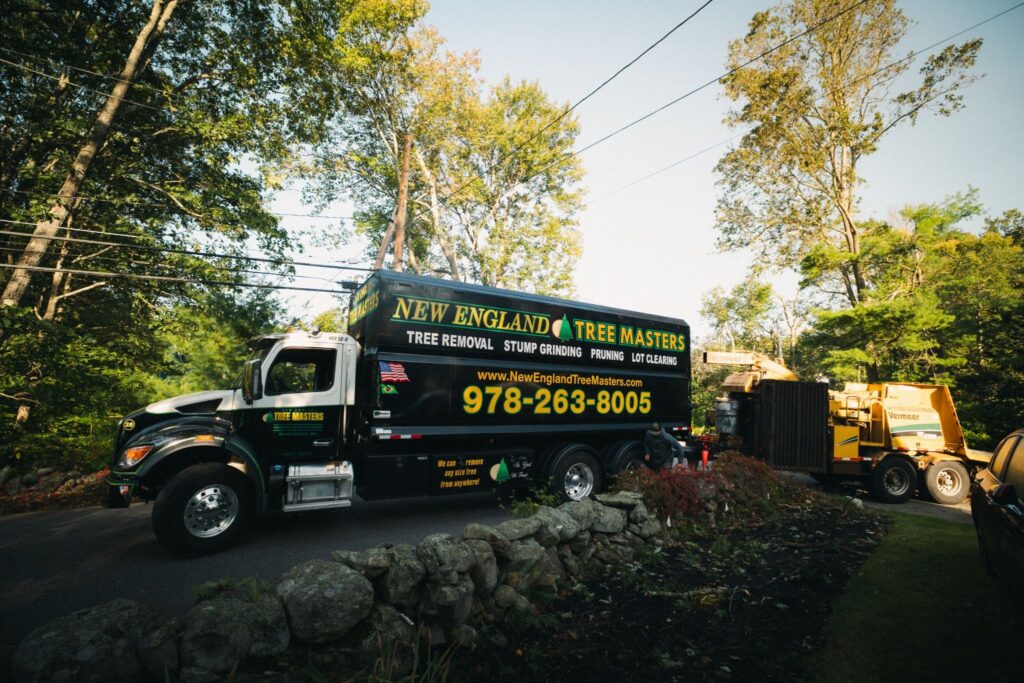
New England Tree Masters has been serving residential and commercial property owners across Massachusetts for over 25 years. Based in Boxborough, MA, the company operates a full fleet of modern equipment and employs trained, certified arborists equipped to handle projects of any size or complexity.
Services include tree removal, pruning, stump grinding, land clearing, emergency response, crane rental, and waste disposal — all performed with a focus on safety, efficiency, and minimal disruption to the surrounding property.
Get a free quote for your property in Massachusetts
Whether you need a routine assessment or an urgent tree removal, our team is available to evaluate your situation and provide a no-obligation estimate.
Phone: +1 (978) 263-8005
Email: newenglandtreemasters@yahoo.com
Address: 871 Massachusetts Ave., Boxborough, MA 01719
Schedule online: newenglandtreemasters.com/contact