After a tree comes down, tree stump removal rarely feels urgent. The yard is open, the hazard seems gone, and the remaining stump doesn’t look like much of a threat. For most property owners in Massachusetts, the stump simply stays where it is — sometimes for years.
That decision carries more consequences than it might appear. A tree stump left in place is not a neutral presence. It continues to affect the soil, the surrounding vegetation, and the safety of the property in ways that develop gradually and compound over time.
This article covers why old stumps are a genuine liability, the practical difference between stump grinding and full tree stump removal, and how to determine which method fits your specific situation.
5 Reasons That Old Tree Stump Is a Bigger Problem Than It Looks
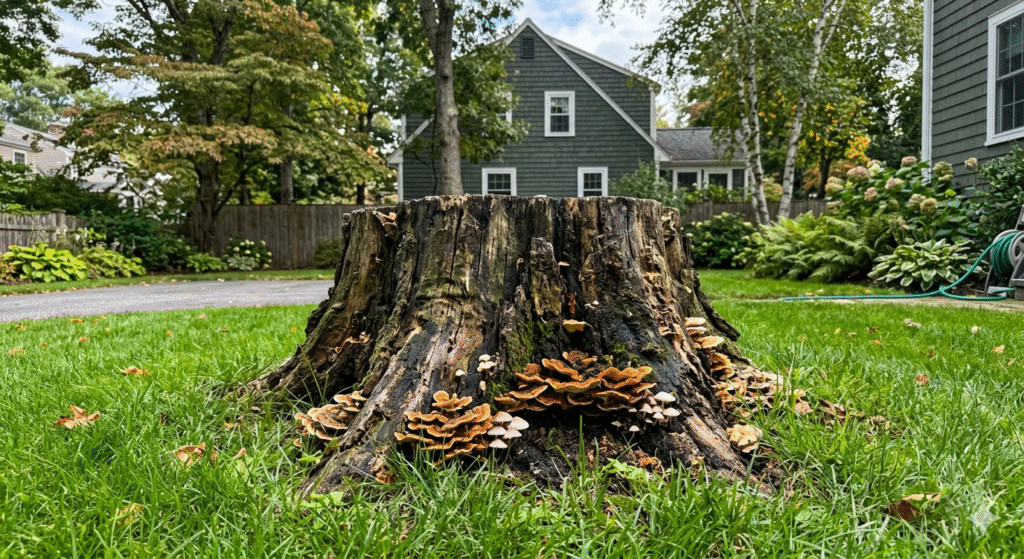
A stump that appears dormant is rarely inactive below the surface. Depending on the species and how long it has been in place, the consequences can range from minor inconveniences to significant structural and pest-related damage.
1. Tripping Hazards and Premises Liability
Low-profile stumps blend into the surrounding lawn, particularly once grass grows over the edges. They represent a consistent tripping hazard for anyone using the yard — children, elderly visitors, and anyone navigating the space at dusk or after dark. Under Massachusetts premises liability law, property owners have a duty to maintain reasonably safe conditions. An unmarked stump that causes injury on your property can create meaningful legal exposure.
2. Fungal Spread to Surrounding Vegetation
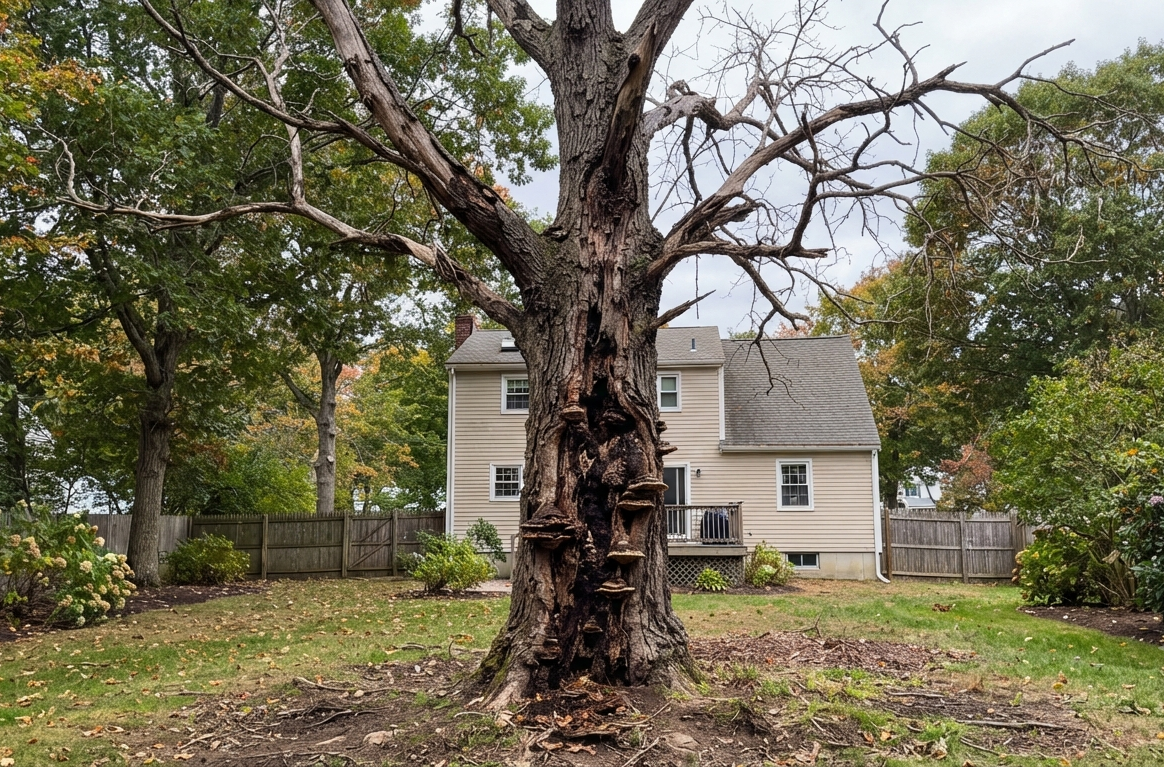
Decaying wood is a hospitable environment for fungal growth. Fungi that establish on a dead stump can travel through the existing root network and infect living trees and shrubs in the vicinity. Root rot, in particular, spreads through shared soil and root contact. Once established, it is difficult to treat and can compromise otherwise healthy vegetation throughout the property.
3. Persistent Regrowth from the Root System
Several common species native to New England — including oaks, maples, and elms — continue producing sprouts from the base and lateral roots after the trunk is removed. This regrowth draws nutrients and water from the surrounding soil and can crowd out other plantings. Cutting the sprouts back repeatedly is labor-intensive and does not resolve the underlying issue. Understanding how to get rid of a stump of a tree completely is often the only lasting solution for resprout-prone species.
4. Attraction of Wood-Boring Insects
Termites, carpenter ants, and wood-boring beetles are drawn to deteriorating wood. A decaying tree stump placed within close proximity to a home, deck, or outbuilding provides both a food source and a pathway into those structures. Pest infestations that begin in a stump do not stay contained to the stump. The closer the stump is to the house, the greater the risk of migration into structural wood.
5. Root System Damage to Hardscape
The root system of a felled tree does not immediately stop expanding. In Massachusetts, where freeze-thaw cycles are pronounced, root movement continues to exert pressure on driveways, sidewalks, retaining walls, and garden borders. Over time, this results in cracking, heaving, and settlement — repairs that can be considerably more expensive than the tree stump removal that would have prevented them.
Stump Grinding vs. Full Tree Stump Removal: Which Method Is Right for Your Property?
Once the decision to address a stump has been made, the next question is which approach serves the property’s long-term needs. Both stump grinding and full tree stump removal are standard services offered by professional tree removal services in Massachusetts, but they produce different outcomes and are suited to different situations.
Stump Grinding
Stump grinding uses a rotating cutting drum to reduce the stump — and the uppermost portion of the root structure — to wood chips and fine mulch. The process is efficient, minimally invasive, and requires significantly less excavation than full extraction. For most residential properties, it can be completed within a few hours.
The wood chips produced during grinding can be repurposed as mulch in garden beds or removed from the site entirely. Once complete, the area is left with a shallow depression that can be filled, seeded, and returned to lawn use relatively quickly.
The lower root system remains underground after grinding and will decompose naturally over a period of years. For most applications, this is not a problem.
Stump grinding is the appropriate choice when:
- The space will be returned to lawn, mulched garden, or general landscaping use
- Access limitations make large excavation equipment impractical
- The goal is to remove the visible stump with minimal disruption to the surrounding yard
- The species involved is not known for aggressive resprouting
Full Tree Stump Removal
Full tree stump removal involves extracting the entire stump along with the root ball. This requires heavier machinery and more extensive excavation, leaving a larger open area after the work is done. It is the more thorough of the two methods and the appropriate choice when the root system itself needs to be eliminated.
If you are planning construction, installing new hardscape, or planting a new tree in the same location, full removal provides the clear, root-free foundation that grinding cannot. It is also the preferred approach for species that resprout aggressively from root tissue, since removing the root ball addresses the source of the regrowth rather than just managing the surface.
Those researching how to remove a tree stump completely — including the root system — will find that full removal is the only method that achieves that outcome.
Full stump removal is the appropriate choice when:
- A new tree, patio, or building foundation will occupy the same space
- The species is prone to root regrowth and previous grinding has not been effective
- A land-clearing or development project requires a completely root-free site
- Proximity to a structure makes leaving the root system underground a long-term risk
DIY Stump Treatment
Property owners sometimes explore chemical options when considering how to kill a tree stump to prevent regrowth. Potassium nitrate-based stump removers are commercially available and accelerate decomposition, but they are slow-acting — typically requiring several months to a year to take effect — and do not physically remove the stump or its root system. They are best understood as a supplemental measure, not a substitute for professional grinding or extraction when timely results or physical removal are required.
Choosing the Right Tree Removal Service for Stump Work in Massachusetts
Stump grinding and full tree stump removal each require specialized equipment and an accurate assessment of site conditions — including soil type, root depth, species characteristics, and proximity to utilities and structures. The wrong method, or work performed without that evaluation, can create new problems rather than resolving existing ones.
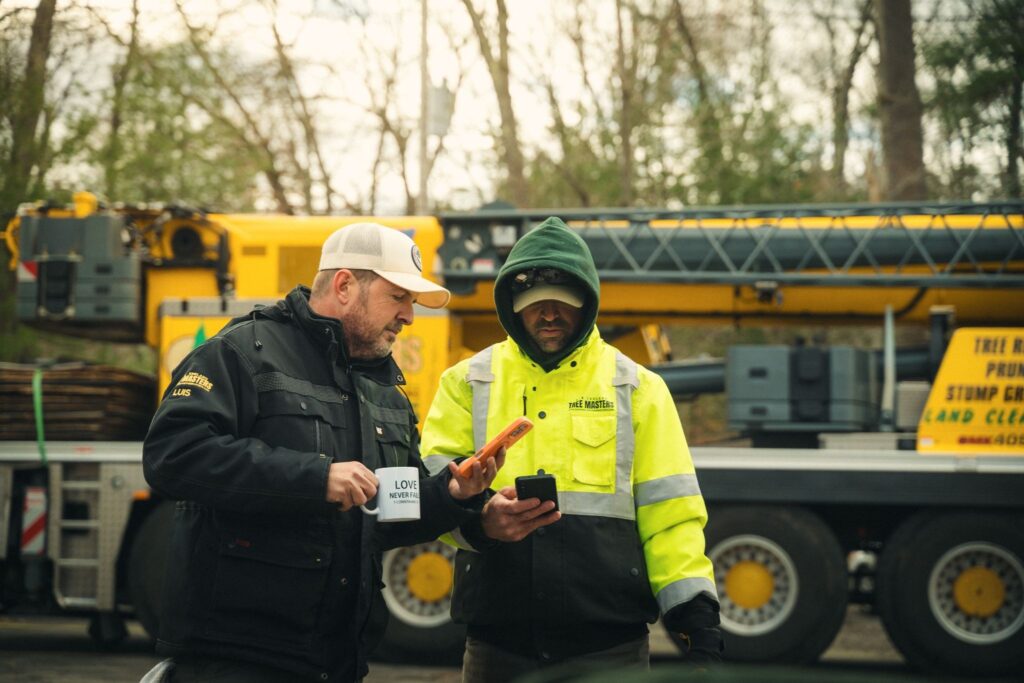
New England Tree Masters has provided professional tree removal service throughout Massachusetts for over 25 years. With ISA-certified arborists, a full range of stump processing equipment, and extensive experience working across residential and commercial properties in Boxborough, Acton, and the surrounding region, the team is well-positioned to assess your specific situation and recommend the most appropriate approach.
Whether you are dealing with a single stump from a recent tree removal or multiple stumps across a property undergoing development, New England Tree Masters has the equipment and expertise to complete the work safely and cleanly.
New England Tree Masters
Request a Free On-Site Assessment
Over 25 years serving residential and commercial properties across Massachusetts. Certified arborists, full equipment fleet, fully licensed and insured.