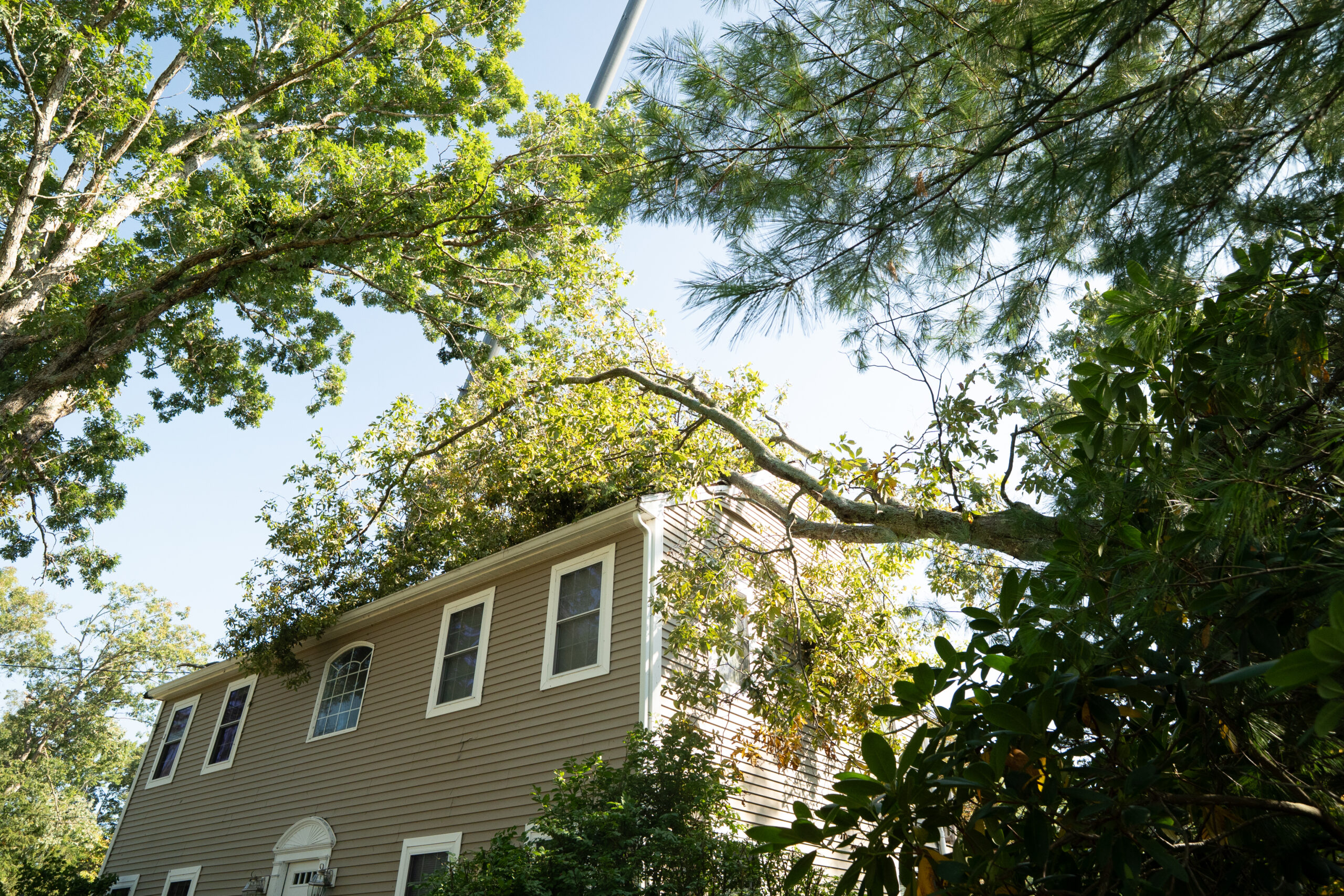
Large tree removal requires careful planning, technical expertise, and specialized equipment to ensure the job is completed safely and efficiently. Many property owners assume that tree removal follows the same process regardless of size, but the reality is quite different when dealing with larger trees. In practice, large tree removal demands a more detailed strategy, especially when structures, utilities, and limited access areas surround the tree.
Every large tree removal project involves controlled dismantling, rigging techniques, and coordinated crane work to manage weight and movement safely. Before starting, crews carefully evaluate weight distribution, fall trajectory, equipment access, and surrounding structures to reduce risk. This level of preparation protects nearby property and ensures that the entire tree removal process remains controlled.
In this article, you’ll see:
- Why large tree removal requires a different approach
- How professionals plan each tree removal project
- When crane work becomes necessary
- How equipment supports safety and efficiency
- How New England Tree Masters handles complex removals
Why large tree removal requires a different approach
Large tree removal presents risks that smaller projects simply don’t, particularly in residential or developed areas. Mature trees often grow close to homes, driveways, fences, landscaping features, and power lines, which significantly limits safe drop zones. These constraints increase the need for controlled dismantling rather than a straightforward cut-and-drop method.
Instead of removing the entire tree at once, experienced crews dismantle it in carefully planned sections. Each cut accounts for weight, balance, structural tension, and landing direction to avoid unexpected movement. Rigging systems guide every section safely to the ground, and the entire process protects surrounding property while maintaining safety for the crew.
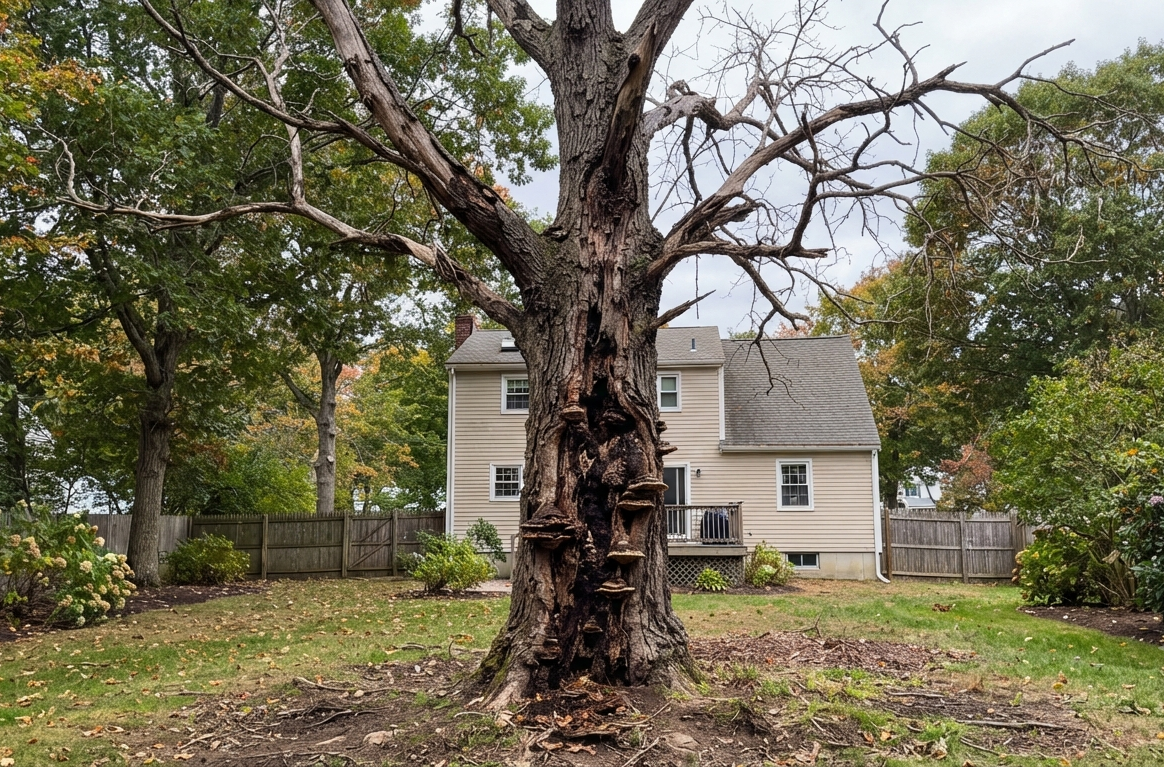
Tree condition also plays a critical role in determining the removal strategy. Storm damage, decay, and structural defects can weaken stability and make climbing unsafe under certain circumstances. When that happens, crane work and aerial equipment provide safer alternatives that reduce risk and improve overall control during large tree removal.
A professional tree inspection service helps identify structural concerns early and determines whether the project requires crane work, specialized rigging adjustments, or additional equipment support before work begins.
Planning and inspection before large tree removal
Structural evaluation
Every large tree removal begins with a thorough evaluation of the tree’s structure and the surrounding environment. Arborists assess crown structure, trunk condition, root stability, and overall integrity before recommending a removal plan. These factors help determine whether traditional climbing methods are appropriate or if crane work and aerial equipment will provide a safer solution.
A qualified tree inspection service can identify cracks, cavities, hidden decay, and structural weaknesses that may not be visible at first glance. Those findings directly influence rigging strategy, equipment selection, and overall project sequencing. Proper planning significantly improves safety outcomes and reduces unexpected complications during tree removal.
Access and removal strategy
Access planning becomes especially important in residential areas where driveways, fences, landscaping, and nearby homes limit movement. The plan should consider equipment positioning, crane radius, ground conditions, and safe work zones.
Crane work becomes essential when large limbs extend over structures or when confined spaces make traditional removal methods unsafe. The crane stabilizes sections during cutting and lowers them in a controlled manner, which improves precision and reduces stress on surrounding property.
Teams working in Acton and Boxborough understand how local terrain, residential layouts, and property spacing influence removal strategy, and they adapt their approach accordingly.
Rigging and control
Rigging systems help protect structures and minimize shock loads on the remaining tree. Skilled teams adjust techniques based on tree condition, weight distribution, angle of cut, and environmental factors to maintain stability throughout the process.
The role of crane work in large tree removal
Crane work significantly enhances safety, precision, and efficiency during large tree removal operations. Crane operators coordinate closely with arborists and ground crews to lift, stabilize, and lower heavy sections in a controlled manner. This approach eliminates uncontrolled falls and improves overall removal control.
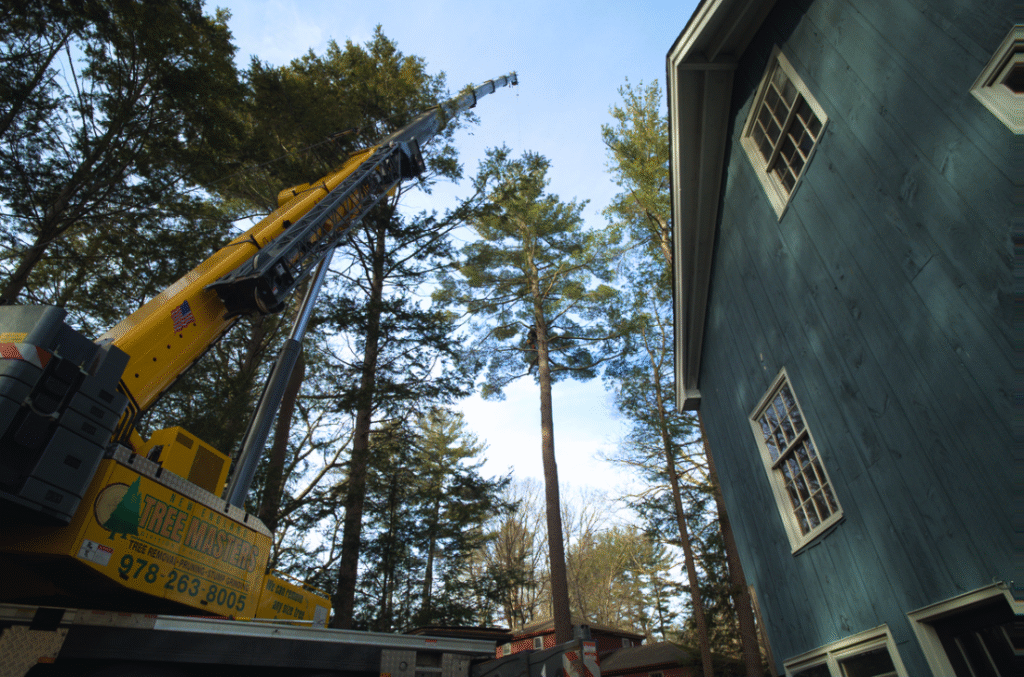
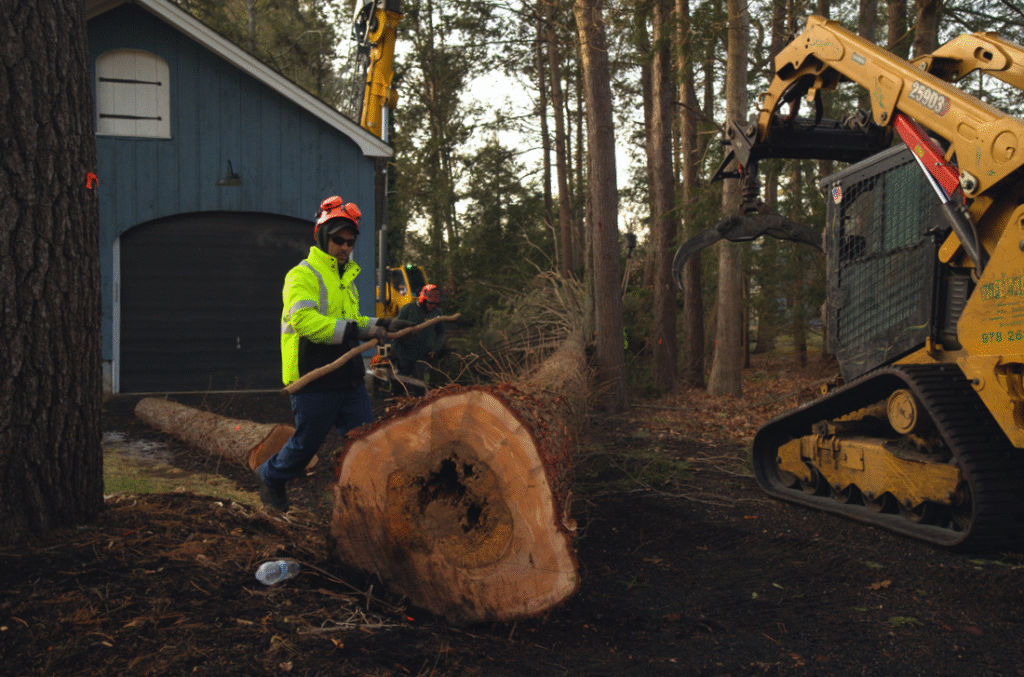
Crane work also reduces climbing risks in structurally compromised trees where internal decay or storm damage makes traditional access unsafe. Mechanical lifting allows crews to remove large sections without relying solely on manual positioning.
Many residential tree removal projects benefit from crane work when canopies extend over rooftops, garages, or tight side yards. By positioning each section carefully and lowering it into a designated landing zone, crews maintain control while protecting nearby structures.
Professional crane operators rely on clear communication, extensive experience, and properly maintained equipment to ensure each lift is executed safely.
Equipment that supports safe tree removal
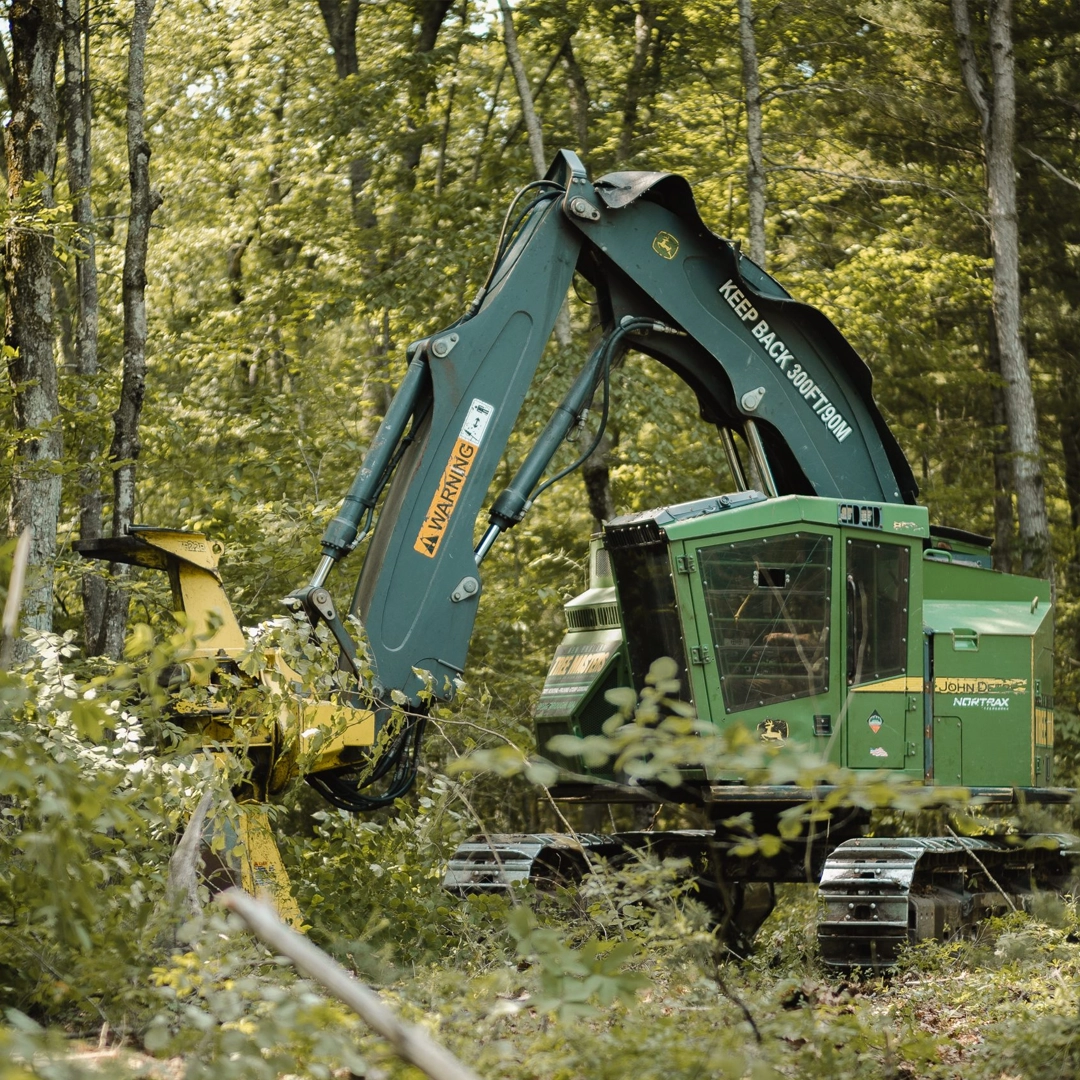
Modern equipment plays a critical role in supporting safe and efficient large tree removal. Crews rely on specialized tools to manage cutting, lifting, stabilization, and debris handling throughout the project.
Essential equipment often includes cranes for heavy lifting, bucket trucks for aerial access, rigging systems for controlled lowering, and chippers and hauling vehicles for debris management. Each piece of equipment must be properly maintained and inspected to ensure predictable performance under demanding conditions.
Regular inspections and preventative maintenance reduce operational risk and support safer working environments. In addition, tree recycling services help manage debris responsibly after removal, ensuring that wood waste and green materials are processed efficiently rather than discarded unnecessarily.
Professional experience in large tree removal
Experience directly influences decision-making during large tree removal projects, particularly when unexpected structural behavior occurs. Skilled teams anticipate how weight shifts during cutting and adjust their approach in real time to maintain control.
A qualified tree removal company brings technical knowledge, field experience, and certified arborists who guide planning and evaluate risk before any work begins. That level of expertise ensures that each project follows a structured plan rather than reactive decision-making.
Teams working throughout Acton and Boxborough understand the local environment, including soil conditions, mature tree growth patterns, and property layouts, all of which influence removal strategy.
Choosing the right partner for large tree removal
Large tree removal requires careful planning, experienced professionals, and reliable equipment to ensure safe execution. Property owners benefit from working with a tree removal company that understands structural risk, controlled dismantling techniques, and the importance of coordinated crane work.
Qualified professionals evaluate each project thoroughly before beginning work, define access strategies, determine rigging requirements, and plan crane positioning to support safe execution.
An experienced emergency tree removal company also provides rapid response when storm damage or structural failure creates immediate hazards. Prompt assessment and controlled removal protect both property and occupants.
You can also read about: Emergency tree removal services in Boxborough and nearby cities in MA
Large tree removal demands attention to detail, disciplined planning, and consistent execution. Professional teams combine expertise, crane work, and properly maintained equipment to deliver safe and controlled results across residential and commercial environments.
About New England Tree Masters
New England Tree Masters operates as a full-service tree removal company with more than 25 years of experience handling large tree removal and complex dismantling projects. The company provides a comprehensive range of services that address both routine maintenance and emergency needs.
Services include:
- Large tree removal
- Residential and commercial tree removal
- Crane work and heavy equipment support
- Pruning services
- Tree inspection service
- Land clearing for construction
- Emergency tree services
- Stump grinding
- Waste and debris management
- Tree recycling services
The company also operates a mulch yard in Acton that supports tree recycling services, debris disposal, green waste handling, and wood processing for residential and commercial projects.
Crews serve Boxborough, Acton, and surrounding communities within a 50-mile radius, completing projects for residential properties, construction sites, and emergency response situations. As an experienced emergency tree removal company, New England Tree Masters responds quickly to storm damage, fallen trees, and urgent safety concerns across the region. Reach out and get your free quote.