What looks like a sudden collapse is usually the end of a process that started with small, readable signals that a timely tree inspection would have caught. Recognizing those signs early gives property owners the opportunity to act before a weakened branch, a compromised trunk, or a failing root system becomes an emergency.
The following seven indicators are among the most reliable signs that a tree warrants a professional tree inspection. Some are obvious; others easy to overlook. All of them are worth taking seriously.
1. Deep cracks or splits in the trunk
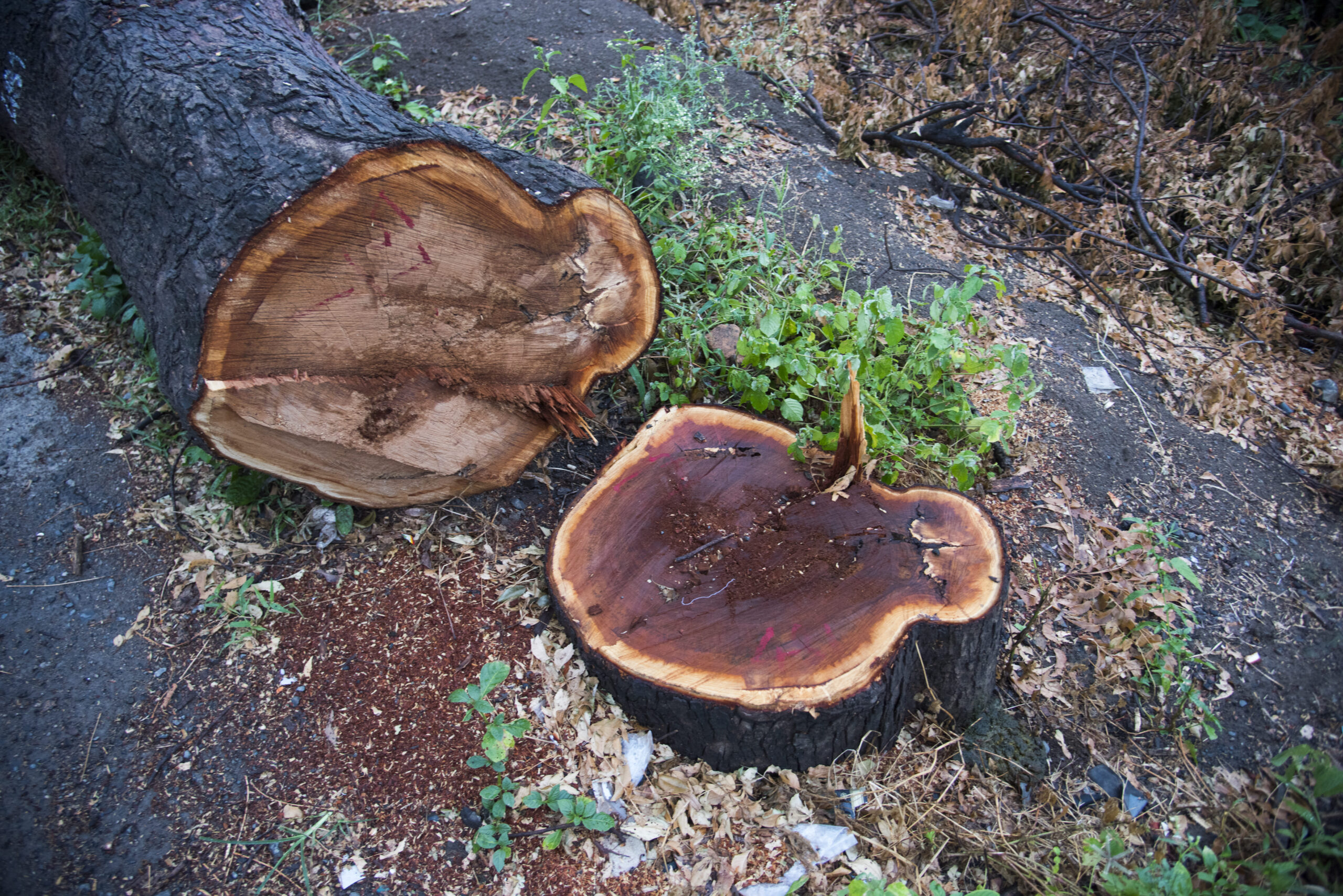
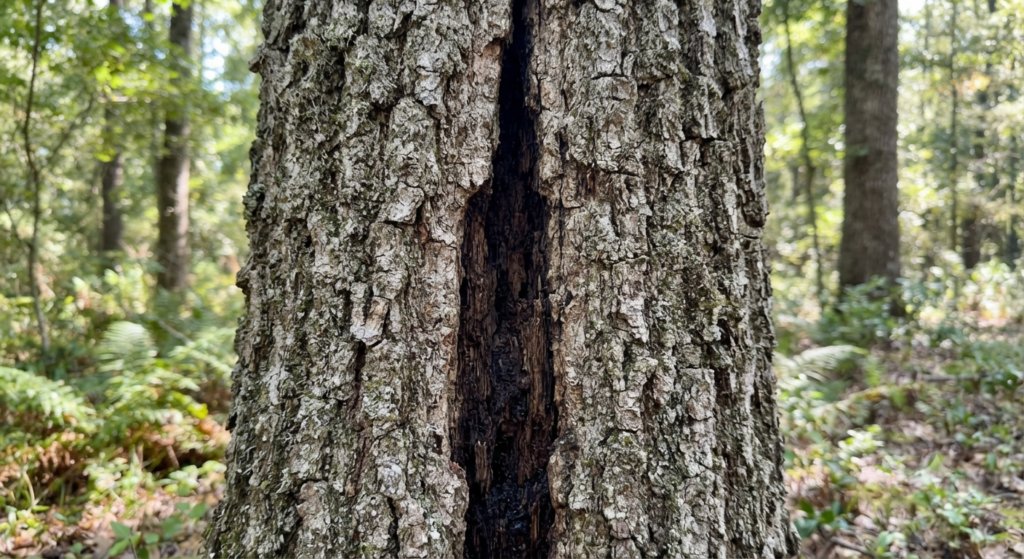
Vertical cracks that extend beneath the bark surface usually are a consistent warning sign. They may result from frost damage, co-dominant stems growing in structural competition with each other, or wounds that never closed properly. A trunk with a deep crack can fail under the additional load of ice, saturated branches, or sustained wind, with little further warning.
Not every bark separation signals immediate danger, but any crack that penetrates the wood itself, or that appears to change across seasons, should be evaluated during a formal tree inspection before the next storm season.
2. Fungal growth on the bark, base, or root zone
Shelf fungi, bracket fungi, and mushrooms growing directly on the bark or emerging from the soil around the base of the tree are reliable indicators of internal wood decay. Fungi colonize decomposing tissue — meaning that by the time growth is visible on the outside, deterioration inside the trunk or root system is already underway.
Fungus on tree bark or at the base does not automatically require removal, but it does require evaluation. A tree health inspection will determine how extensive the decay is and whether the remaining structural wood is sufficient to keep the tree standing safely. Fungus on tree trunk wood near the root collar is particularly serious and should not be dismissed as cosmetic.
3. Dead, hanging, or broken branches in the canopy
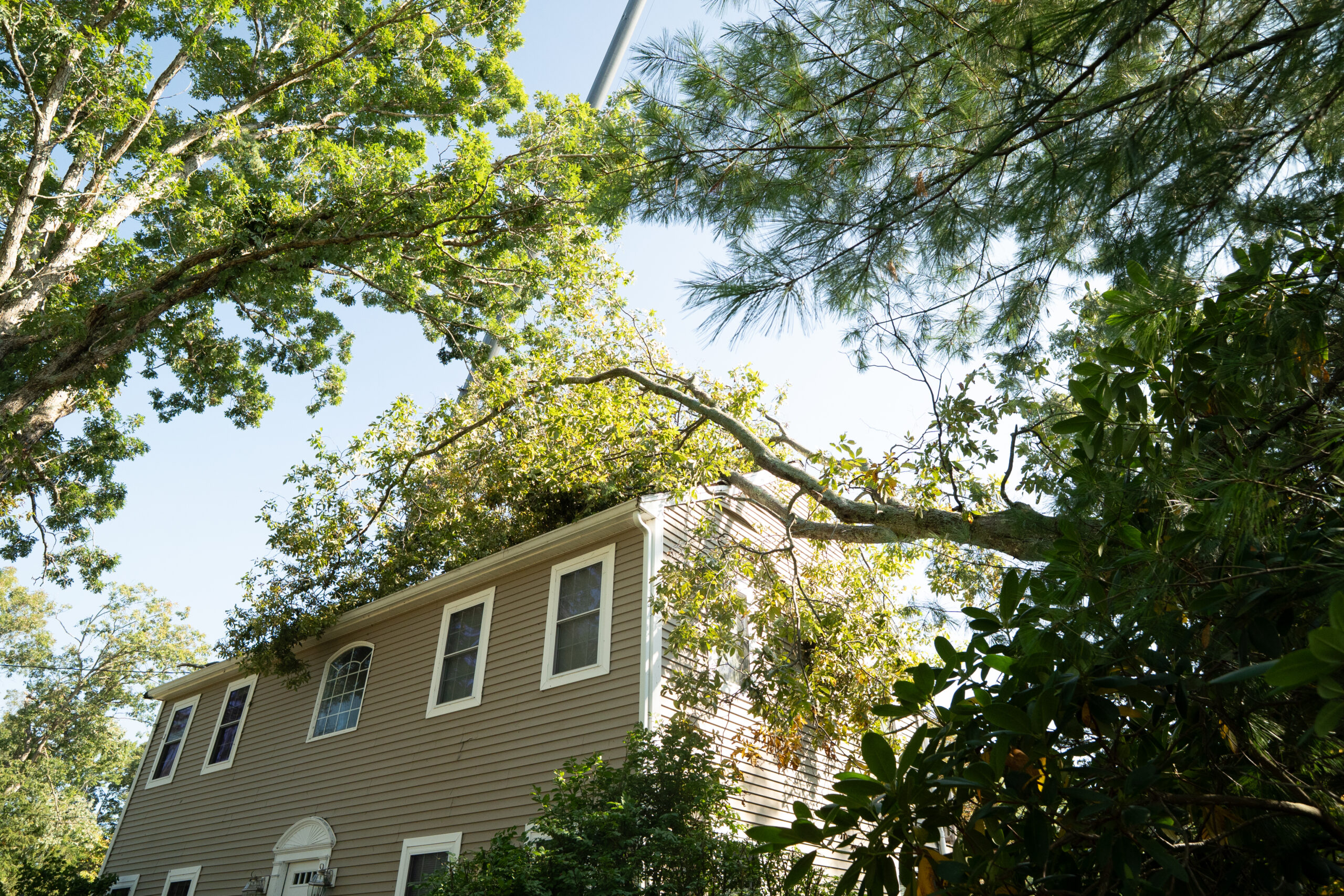
Dead branches that remain suspended in the canopy — commonly referred to as widow makers — are brittle, unpredictable, and among the leading causes of property damage and injury during storms. Unlike live wood, dead branches do not bend under load; they snap. A single ice storm or nor’easter can bring multiple dead branches down simultaneously.
Multiple dead branches concentrated in one section of the crown, or branches that appear to hang from a partially broken attachment point, are among the clearest signals that tree inspection services are needed promptly. This is especially relevant in Massachusetts, where winter weather regularly tests tree structure.
4. A lean that has developed or worsened
A stable, gradual lean that has been present for years is very different from one that has changed recently. A lean that has increased after a storm, developed suddenly without explanation, or is accompanied by soil heaving, cracking at the base, or root exposure on one side is a significant warning sign.
Progressive lean indicates root failure or soil instability. Without intervention, the trajectory is predictable. A tree inspection will determine whether cabling, bracing, or removal is the appropriate course of action.
5. Exposed, lifted, or damaged roots
Roots severed by excavation, damaged by heavy equipment, or stressed by repeated soil compaction directly affect the tree’s ability to remain upright and absorb water and nutrients. Soil heaving around the base, visible cracking of the ground near the trunk, or roots visibly lifted from the surface all point to a system under stress.
Root damage is particularly insidious because the effects often don’t appear in the canopy until one to three years after the injury. If construction or excavation has occurred near a tree on your property in recent years, a tree health inspection is worth scheduling even if the tree appears visually healthy at the moment.
6. Sparse, discolored, or prematurely wilting foliage
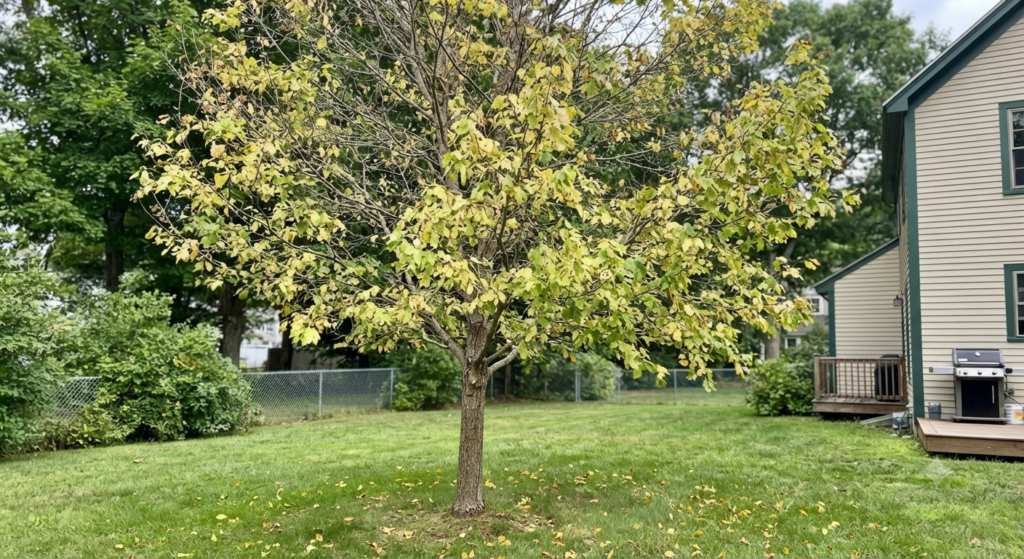
A canopy that has thinned significantly compared to previous years, leaves that are undersized, discolored, or arriving late in spring, and foliage that begins to turn in midsummer rather than fall — all of these are sick tree symptoms that point to internal stress. The cause may be a diseased tree, root system dysfunction, soil compaction, drought stress, or a tree disease advancing through the vascular system.
Foliage decline is sometimes reversible with the right treatment; in other cases, it signals that a tree has entered terminal decline. A tree health inspection clarifies the diagnosis and, where treatment is possible, identifies the appropriate response before the condition becomes irreversible. Ignoring foliage symptoms in the hope they resolve on their own is a common and costly mistake.
7. Insect damage, exit holes, or unusual bark patterns
Wood-boring insects leave identifiable evidence on the bark surface. The Emerald Ash Borer — which has spread through Massachusetts and caused significant canopy loss — leaves distinctive D-shaped exit holes and S-shaped feeding galleries beneath the bark. Increased woodpecker activity on a particular tree is often a secondary indicator, as birds excavate to reach the insects below.
Bark that appears water-soaked, sunken, or canker-like may indicate a fungal tree disease or bacterial infection progressing through the cambium layer. Any unusual bark pattern or evidence of insect activity on a mature or structurally significant tree should prompt an immediate tree inspection before the infestation or tree disease advances further.
What a professional tree inspection covers
A qualified arborist evaluates a tree from the root zone to the crown, assessing structural integrity, signs of internal decay, pest activity, attachment angles of major limbs, soil conditions, and proximity to structures and utilities. The result is a clear recommendation: monitoring, treatment, targeted pruning, structural cabling, or removal.
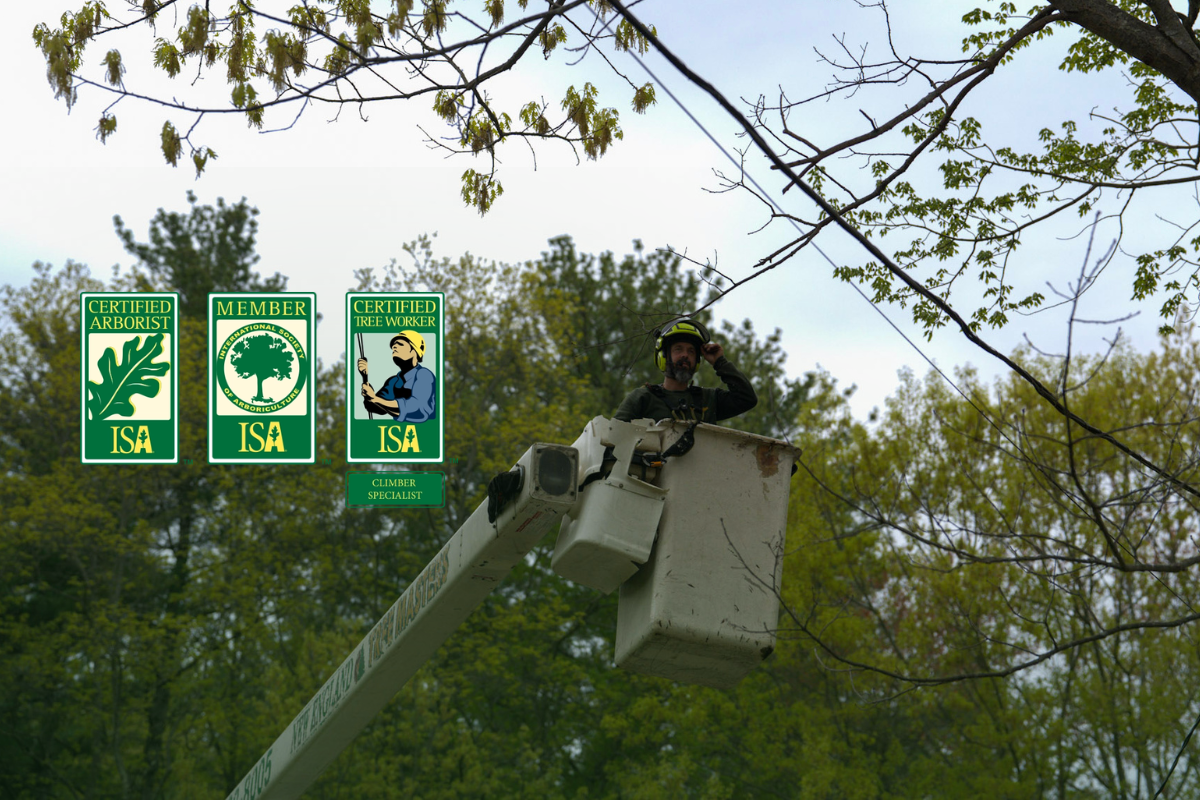
Tree inspection services range from a visual assessment to a formal risk evaluation using ISA Tree Risk Assessment Qualification (TRAQ) methodology. If you’ve been searching for tree inspection near me in Massachusetts, the most important step is to find a certified arborist who can provide a documented evaluation rather than a verbal opinion.
New England Tree Masters: Certified tree inspection services in Massachusetts
New England Tree Masters has been providing professional tree inspection services and comprehensive tree care throughout Massachusetts for over 25 years. With certified arborists on staff and a full fleet of modern equipment, the team is equipped to evaluate trees of all sizes and species across residential and commercial properties — from Boxborough and Acton to communities throughout the region.
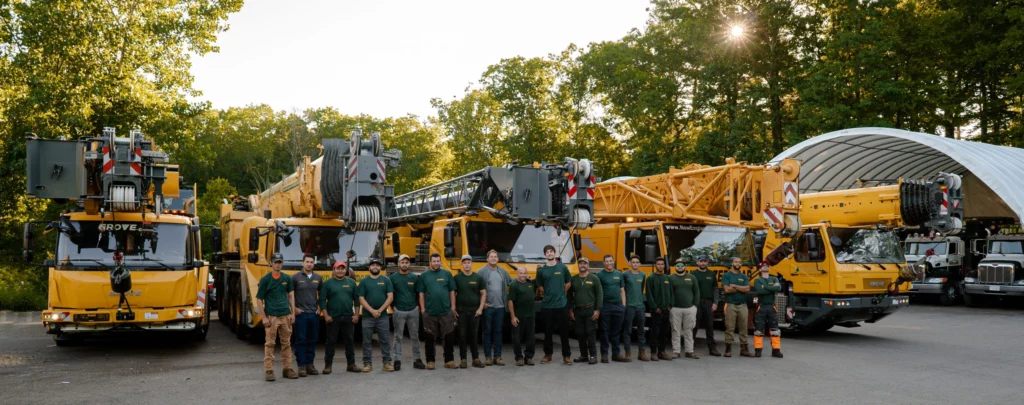
The company’s knowledge of Massachusetts tree species, local soil conditions, and the seasonal stress patterns that affect structural integrity in New England makes their assessments both accurate and actionable.
If your tree is showing any of the warning signs above, a professional tree inspection is the right next step. Contact us now.
New England Tree Masters
Request a Free On-Site Assessment
Over 25 years serving residential and commercial properties across Massachusetts. Certified arborists, full equipment fleet, fully licensed and insured.